01
Space travel
From Robert A. Heinlein’s Have Space Suit—Will Travel to 2001: A Space Odyssey: propulsion, life support, distance and the price of acceleration.
Hard science fiction treats discovery as a chain of consequences. Engines need energy. Minds need architectures. Strange worlds remain strange even after the plot arrives.
Open the guide index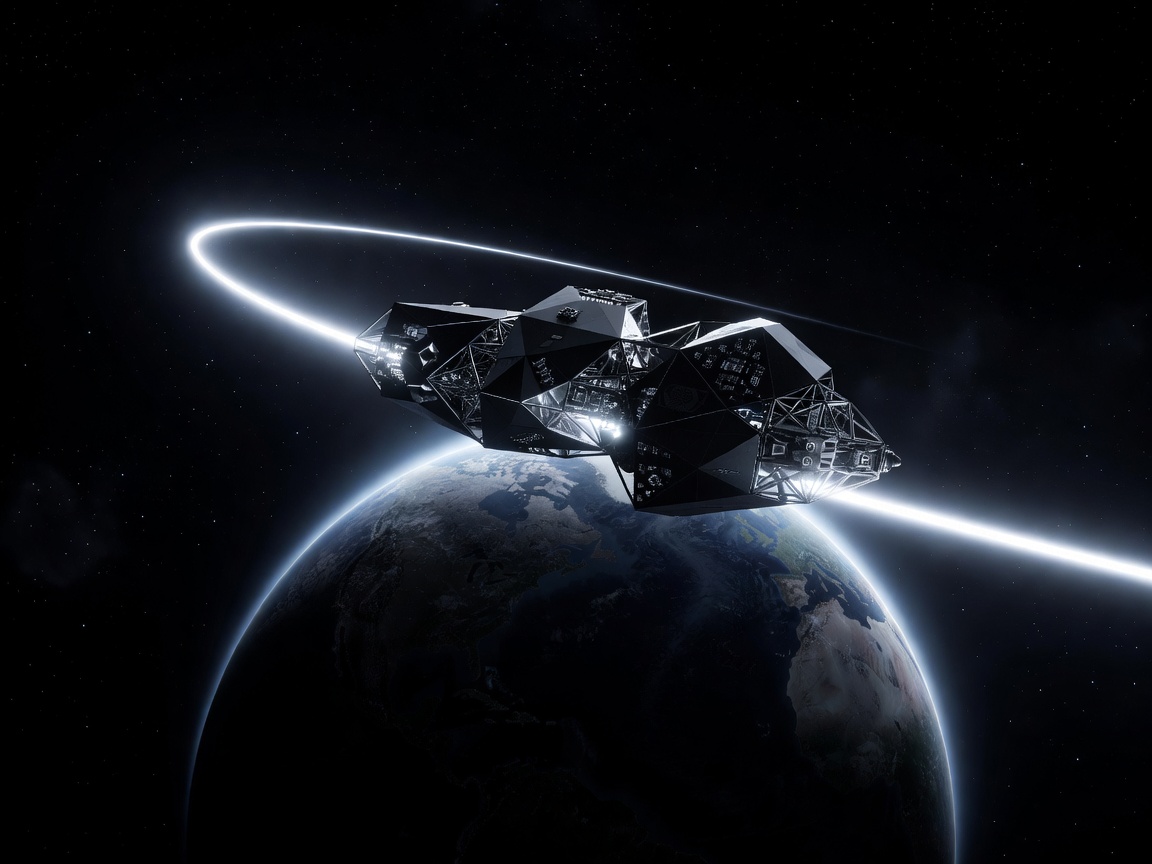
From Robert A. Heinlein’s Have Space Suit—Will Travel to 2001: A Space Odyssey: propulsion, life support, distance and the price of acceleration.
Compare HAL 9000, Isaac Asimov’s robots and Ted Chiang’s software minds through agency, alignment and embodiment.
Relativity in Interstellar, orbital mechanics in The Martian and thermodynamics across the genre.
What Project Hail Mary, Apollo 13 and Seveneves understand about redundancy, failure and improvised repair.
Read Contact, Arrival and Solaris as encounters with communication problems rather than convenient aliens.
The label is not a laboratory certification. It describes a preference for scientific or engineering constraints to remain visible. A work can bend one rule and still be rigorous elsewhere; the useful question is what the story notices when its premise meets mass, energy, time, information and human institutions.