Failure is a design input.
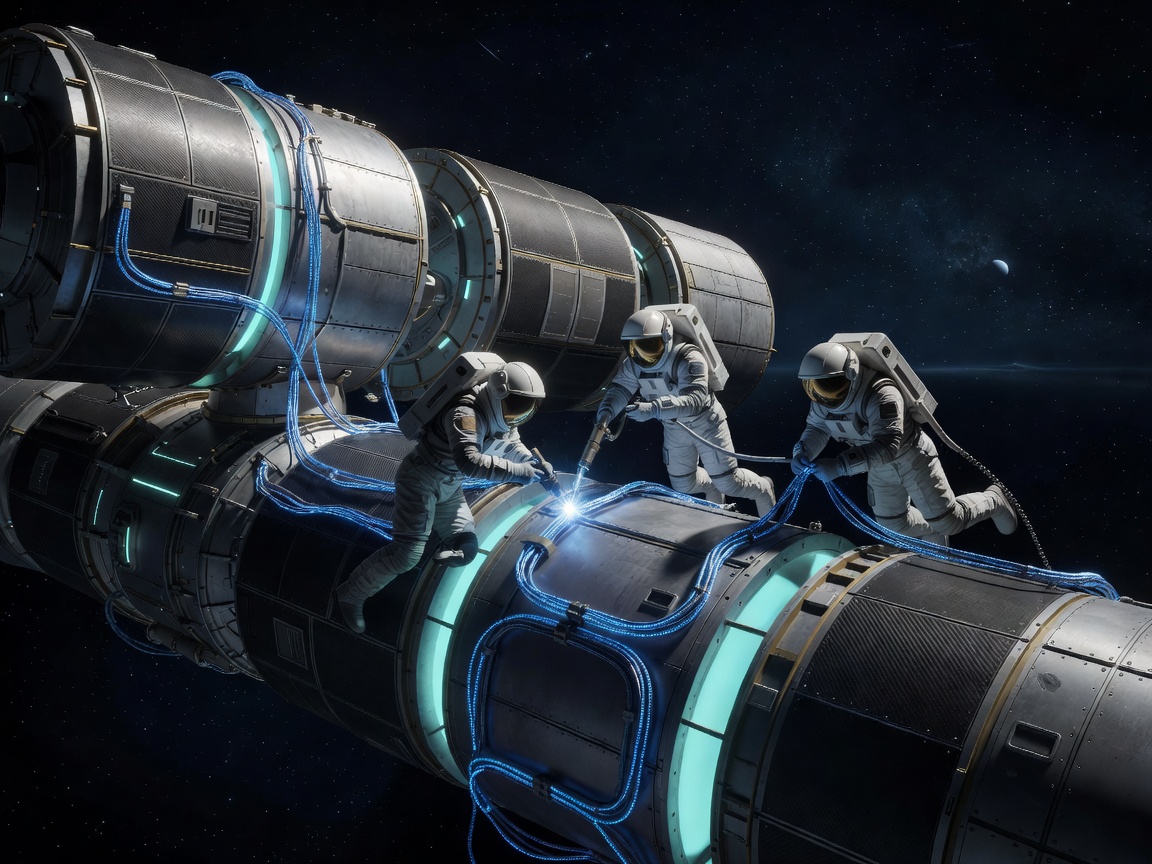
Engineering stories become credible when systems have interfaces, tolerances and failure modes. A clever solution matters because it fits the tools, materials, power and time available. The drama is not reduced by constraints; it is organised by them.
What does Apollo 13 teach fiction?
The film Apollo 13 presents a spacecraft as a network of coupled systems. Electrical power, carbon dioxide removal, navigation and propulsion cannot be considered in isolation. The improvised filter adaptor is memorable because it matches an urgent problem with materials already aboard and instructions that can be followed under pressure.
The lesson is not that astronauts can fix anything with tape. It is that a repair must respect geometry, airflow, power and human ability. A solution that cannot be built or checked is not a solution.
How does Project Hail Mary handle uncertainty?
Andy Weir’s Project Hail Mary uses experimental reasoning as a plot engine. The protagonist observes a result, proposes an explanation, tests it and revises the model. The method is dramatic because each answer creates a new constraint. Alien biology, chemistry and spacecraft operation remain connected rather than appearing as separate puzzles.
Its speculative inventions still work best when their interfaces are clear. Readers can follow what enters a system, what leaves it and what evidence changes the plan.
Why is redundancy political?
Neal Stephenson’s Seveneves expands engineering into civilisational scale. Redundancy protects against failure, but it also consumes mass, labour and coordination. A system with spare capacity needs institutions capable of preserving it. When expertise becomes scarce, maintenance can become a social hierarchy.
Compare these works through four questions: what can fail, how is failure detected, what spare capacity exists and who has authority to alter the design? Hard science fiction respects the engineer’s least glamorous insight: a system is defined as much by its recovery path as by its normal operation.